Home / Adventures
The thinking happens around hour two.
Half of me builds at a desk. The other half needs a highway, strangers, and no plan worth defending. This journal is for the second half. Every entry gets a story, a favourite memory, one funny moment, and one lesson.
Six trips that shaped how I build, think, and name things. Each one earned its place on this page the hard way: through wrong turns, strangers, and highways at odd hours.
Shillong, Meghalaya
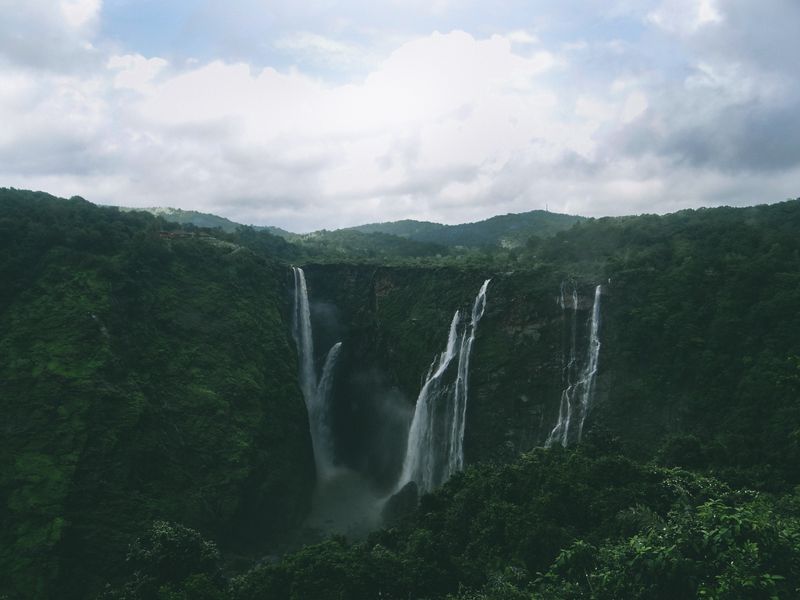
The trip that named my company. Northeast India is nothing like the rest of the country — the air is different, the people are unhurried, and the hills hold a quiet you can't find anywhere else. I took a wrong turn somewhere past Umiam Lake and ended up in a village that wasn't on any map I had. An old man offered me tea. We talked for three hours. He asked me what I wanted to build, and I told him about software for Indian clinics. He didn't understand the tech but he understood the intent. 'Be like the bear,' he said. 'Steady. Strong. People trust what doesn't panic.' Big Bear Software was named six months later. Funny moment: I asked for directions back to the highway and he pointed at the sky. 'That way.' He meant follow the clouds. It worked. Lesson: Names matter, but the stories behind them matter more. Every time someone asks why 'Big Bear,' I get to tell them about Shillong.
Bangalore to Hyderabad, NH44
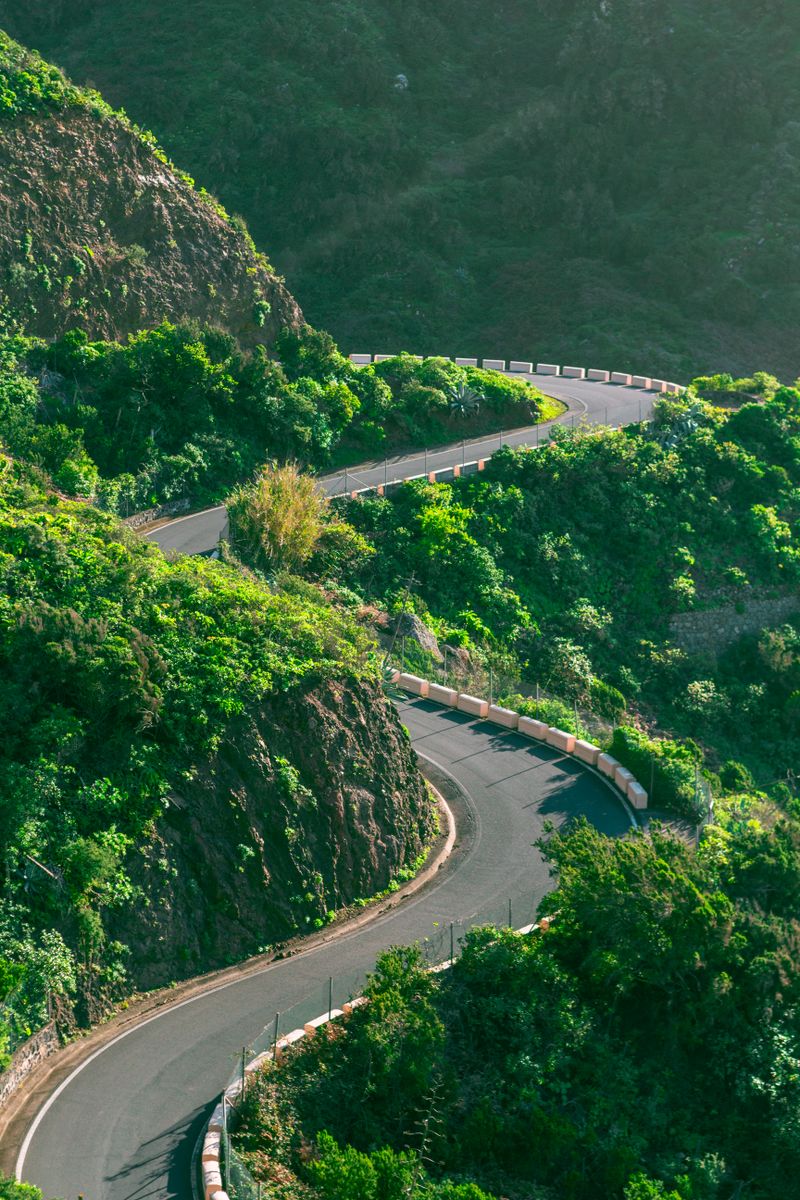
Not every adventure needs a destination. Some just need a highway and a reason to keep driving. I left Bangalore at 2am with no plan except to be in Hyderabad by dawn. Somewhere around hour two, the thinking started. The kind of thinking that doesn't happen at a desk. I figured out the architecture for what would become ZPHS Locator — a tool that finds 1,000+ schools in three seconds. The whole thing formed in my head between Kurnool and Mahbubnagar. I pulled over, voice-noted the entire schema, and coded it in two days. It's now used by 100+ teachers. Funny moment: I stopped at a roadside dhaba at 4am and the chai-wallah asked if I was running from something. 'No,' I said. 'Running toward.' He nodded like that made perfect sense. Lesson: The best ideas don't come from brainstorming sessions. They come when your hands are on a steering wheel and your mind has nowhere to be.
Araku Valley, Andhra Pradesh
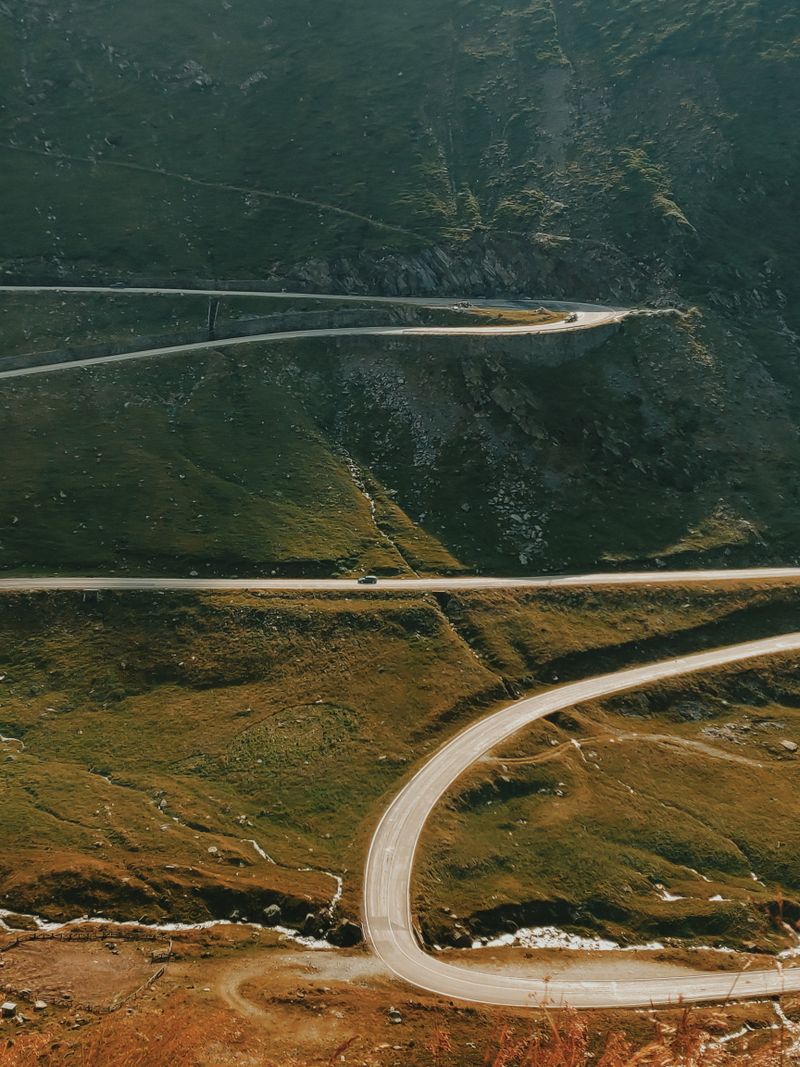
I took a train to Araku because a friend said the coffee there would change my mind about Indian coffee. It did. But the trip became about something else. I met a teacher on the train who was travelling to a rural school with nothing but a chalkboard and a phone. She showed me how she used WhatsApp to coordinate with other teachers across three districts. No app, no platform, just a group chat and relentless resourcefulness. That conversation is why ZPHS Locator exists. I built it in two days and shipped it to teachers like her. Funny moment: She asked if I was a student. I said I build software. She squinted and said, 'Then why does your laptop have coffee stains?' Fair point. Lesson: The best user research isn't a survey. It's a train ride with someone who has no reason to impress you.
Hampi, Karnataka
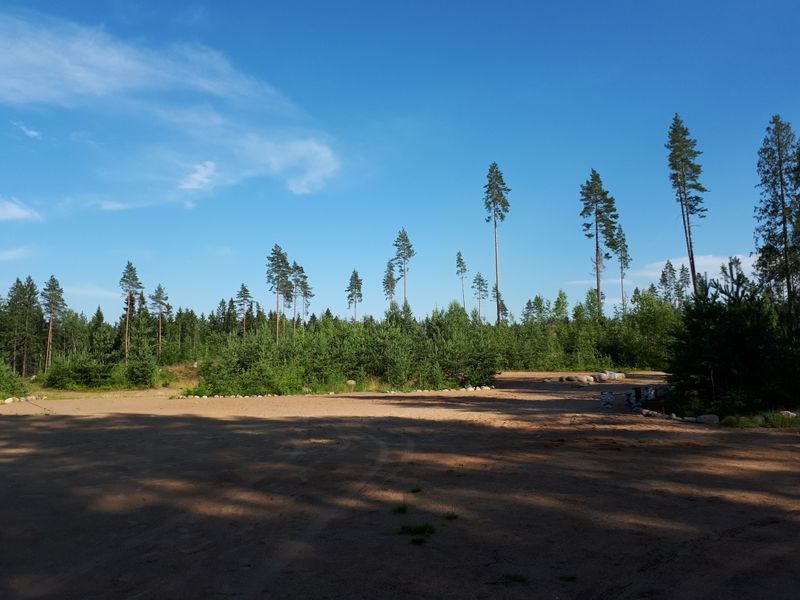
I went to Hampi because someone said it looks like another planet. They were right. Boulders the size of apartment buildings scattered across red dirt like a giant got bored and left them there. I rented a moped and got lost within twenty minutes — which in Hampi is not a problem because the ruins are everywhere. You turn a corner and there's a 500-year-old temple just sitting there, doing nothing, minding its own business. I ended up at the Virupaksha temple and a priest asked where I was from. 'Hyderabad,' I said. He nodded and said, 'You came far.' I said it was only six hours. He said, 'Distance is not about kilometres.' I had no argument for that. Funny moment: I tried to climb a boulder to watch the sunset and a monkey snatched my water bottle. I yelled. The monkey stared at me, opened it, drank it, and dropped the empty bottle at my feet. Felt judged by a primate. Lesson: Hampi teaches you that ruins are not sad. They're just buildings that decided to retire. There's a difference.
Goa, India
Everyone goes to Goa for the beaches. I went for the drive. Hyderabad to Goa is twelve hours if you don't stop, which I did stop, because a sign for a waterfall pointed down a road that turned into a dirt path that turned into a jungle. The waterfall was real. It was also empty. I stood there alone for twenty minutes and the only sound was water hitting rock. No music, no notifications, no Slack. Just water. I almost forgot what that sounded like. Made it to Goa by midnight, found a shack still open, ate prawn curry that changed my life. The owner asked if I was alone. I said yes. He said, 'Good. Beaches are better with yourself than with the wrong company.' Funny moment: I went for a swim the next morning and a wave took my slippers. I walked back to the hotel barefoot on hot sand and the receptionist asked if I'd been robbed. I said, 'By the ocean.' She didn't laugh. Lesson: Goa is not a place. It's a reset button. You don't go there to find yourself. You go there to stop pretending you're lost.

Gokarna, Karnataka
Gokarna is what Goa was twenty years ago before Instagram found it. I went on a whim — left Hyderabad on a Saturday morning with no plan, no booking, and no reason beyond needing to not be at a desk. Drove nine hours. The roads after Hubli get thin and the traffic disappears and you start thinking the GPS is lying to you. It wasn't. Found a beach that had no shacks, no vendors, no music. Just sand, rocks, and the Arabian Sea doing its thing. I sat there for an hour without checking my phone. That might be a personal record. A fisherman walked past and asked if I wanted fish. I said yes. He grilled it on a open fire right there, squeezed a lemon on it, and handed it to me on a banana leaf. Best meal I've had in months. Cost: forty rupees. Funny moment: I tried to take a photo of the fish and the fisherman said, 'Eat first. Instagram later.' He was right. The fish was gone before I remembered. Lesson: Gokarna doesn't try to impress you. That's the whole point. Not everything needs to perform for you. Some things just exist, and you're lucky to be there.
The other mode is quieter.
explorer mode. no map.